
There’s something truly magical about the crisp skin of duck paired with a bright, tangy sauce. This Duck à l’Orange Recipe is a perfect blend of savory richness and citrusy sparkle that I love making when I want to impress yet keep things surprisingly simple.

Jump to:
Why You'll Love This Recipe
This Duck à l’Orange Recipe feels fancy enough for a special dinner but is totally achievable on any night you want to treat yourself. The balance of crispy duck skin and that luscious orange sauce is why I keep coming back to it.
- Easy Yet Elegant: Uses duck breasts instead of a whole duck, so it’s quicker without losing authentic flavor.
- Perfect Flavor Harmony: The citrus cuts through the richness, making every bite delightful and never too heavy.
- Simple Ingredients: You probably already have most of the ingredients in your pantry, making it accessible any day.
- Great for Impressing Guests: Looks and tastes gourmet without intimidating techniques or long prep times.
Ingredients & Why They Work
Each ingredient in this Duck à l’Orange Recipe plays a critical role—whether it’s building the perfect crispy skin or making a sauce bursting with flavor. I’ll share tips to help you pick the right ones and get the best results.
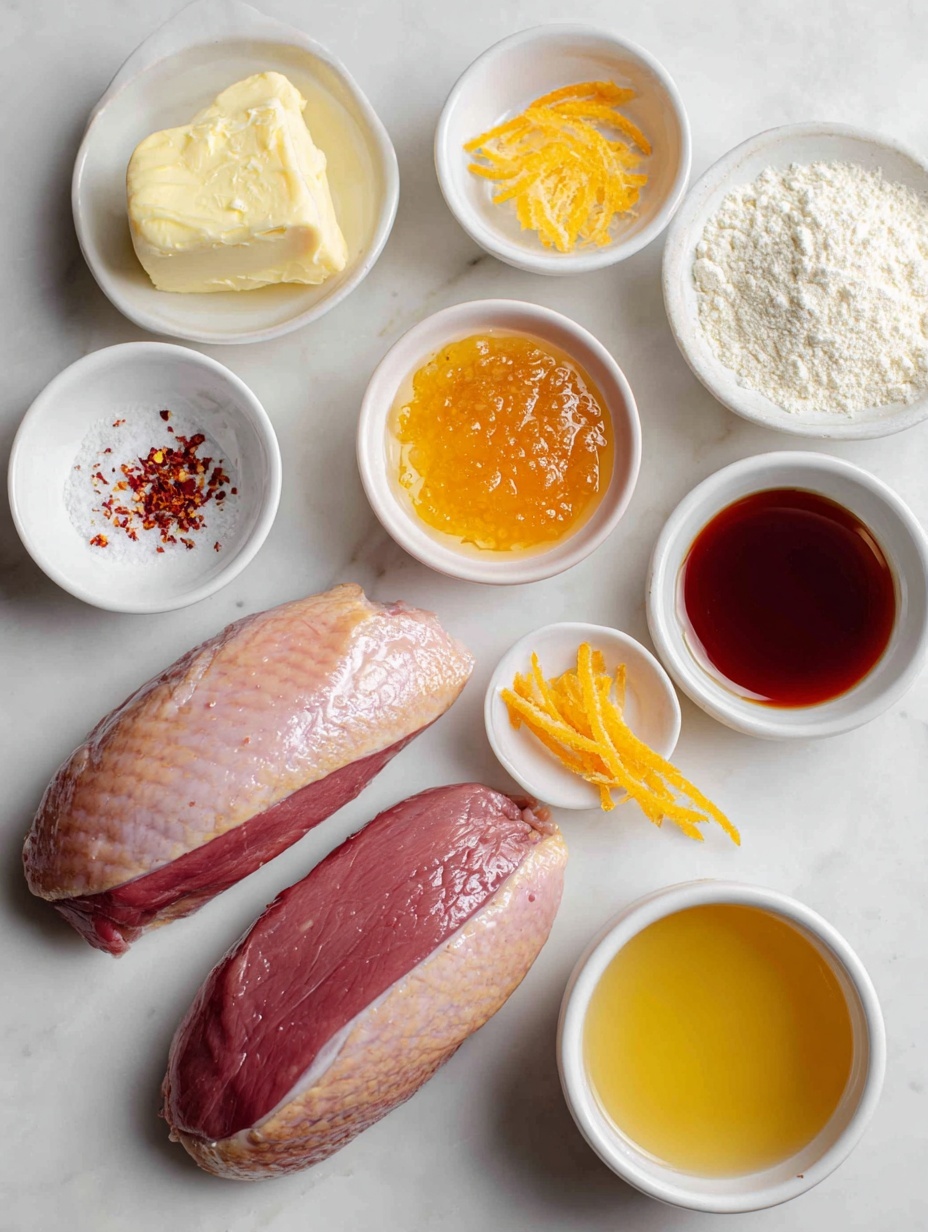
- Duck breast halves: Opt for good quality breasts with nice skin—this is what gives you that irresistible crispy texture.
- Salt: Essential for seasoning and drawing out moisture to get the skin crispier.
- Chicken broth: Adds a mild savory base to the sauce without overpowering the orange flavors.
- Orange liqueur (such as Grand Marnier®): Adds depth and a boozy citrus flavor that elevates the sauce.
- Sherry vinegar: Brings acidity to balance the sweetness in the sauce perfectly.
- Seville orange marmalade: The star of the sauce providing authentic bitter-sweet orange notes. If you can’t find Seville, regular marmalade works, just adjust to taste.
- Grated orange zest: Intensifies the fresh orange aroma and flavor.
- Cayenne pepper: Just a pinch to add a subtle kick that makes the sauce more interesting.
- Reserved duck fat: Using some of the duck fat to cook the meat adds incredible flavor and helps crisp the skin beautifully.
- All-purpose flour: Helps thicken the sauce for that perfect consistency.
- Butter: Enriches the sauce at the end for a silky finish that's simply irresistible.
Make It Your Way
I love that this Duck à l’Orange Recipe is versatile enough to tweak for every occasion. Whether you want it a bit sweeter or with a spicier punch, it’s all about making the dish your own.
- Variation: Once, I swapped the orange marmalade with a homemade blood orange jam for a richer, deeper flavor that my guests raved about.
- Dietary Tip: For a gluten-free version, use a gluten-free flour or cornstarch to thicken the sauce and watch the magic happen.
- Seasonal Twist: In winter, I sometimes add a cinnamon stick to the sauce while it simmers for a warming aroma that’s subtle but festive.
Step-by-Step: How I Make Duck à l’Orange Recipe
Step 1: Prepare and Season Your Duck
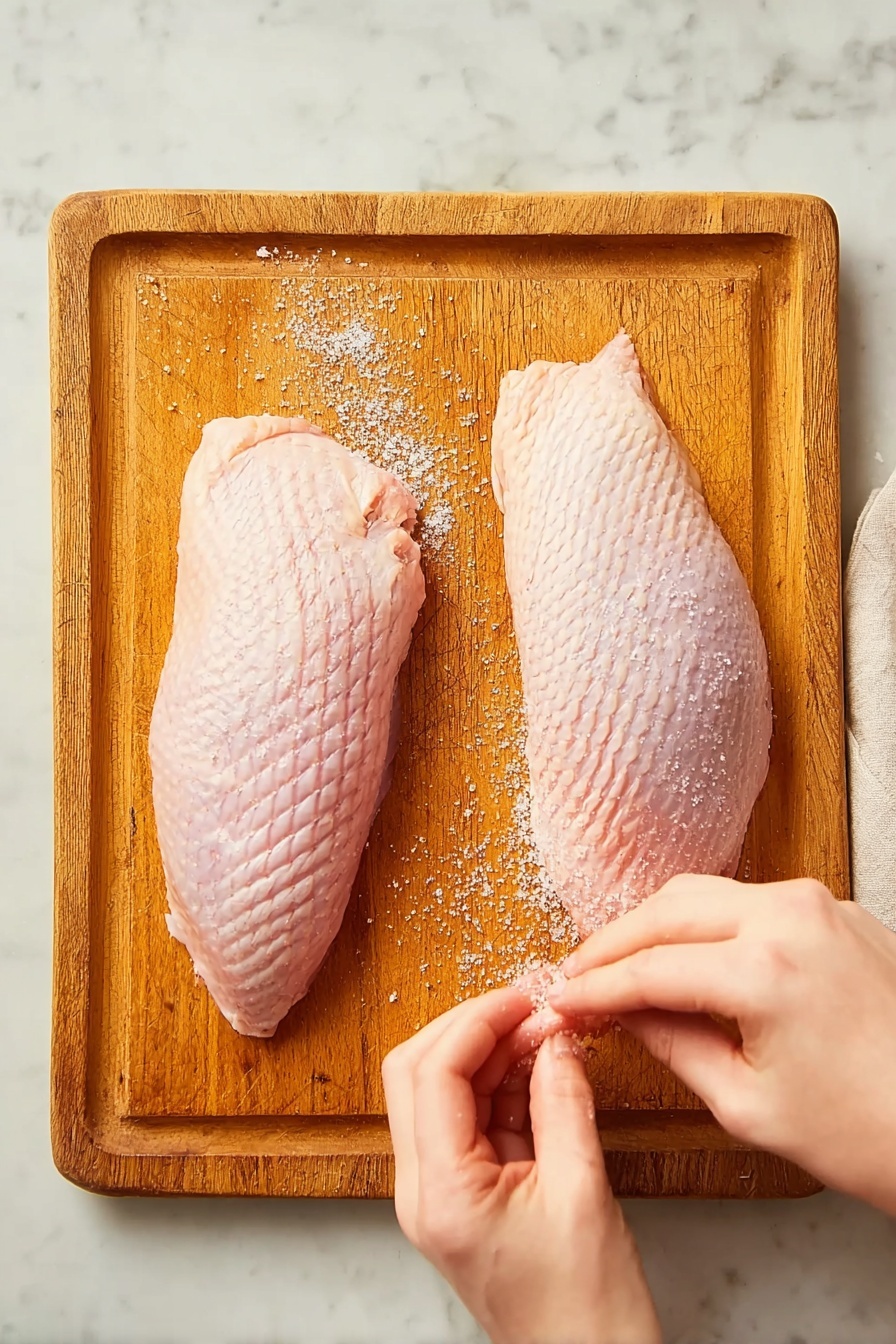
Start by scoring the duck skin in a neat crosshatch pattern—this helps the fat render out evenly and the skin get extra crisp. Don’t cut too deep; just through the skin and fat. Then, season both sides generously with salt. Letting the duck rest skin-side up at room temp for 15 minutes really helps the skin dry out and crisp up better during cooking.
Step 2: Whisk Together the Orange Sauce Components
Mix the chicken broth, orange liqueur, sherry vinegar, marmalade, orange zest, and a pinch of cayenne in a bowl. This combination will form the base of your sauce—bright, sweet, and with a hint of heat that makes all the difference.
Step 3: Crisp the Duck Skin Perfectly
Pat the duck breasts dry again, then heat your reserved duck fat in a heavy skillet over medium heat. Place the breasts skin side down and cook for around 6 minutes until the skin is golden brown and crispy. The key is patience here—don’t move the duck too soon or you’ll lose that lovely crust.
Step 4: Finish Cooking the Duck and Rest
Flip the breasts and cook for another 4 minutes or until medium rare (about 140°F in the center). Rest them on a plate to retain juicy tenderness while you make the sauce. Trust me, resting is crucial!
Step 5: Create That Luscious Orange Sauce
In the same skillet, whisk in the flour and cook for about a minute to eliminate the raw taste. Then pour in your orange mixture and bring to a boil. Let it reduce until thick and glossy—3 to 5 minutes usually does it. Stir in butter off the heat to finish with a silky smooth sauce. Season to taste with a little more salt if needed.
Step 6: Serve and Savor
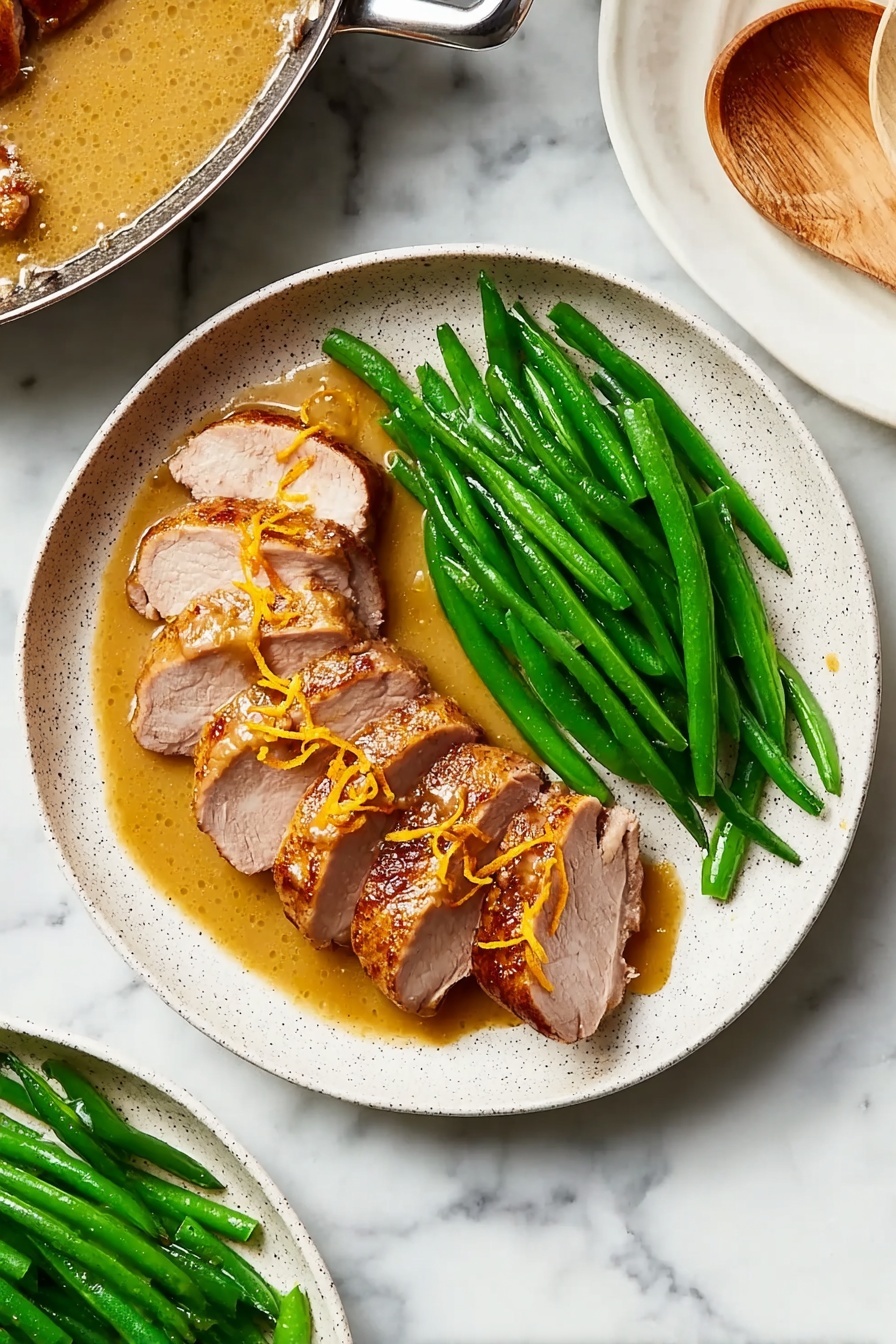
Slice your duck breasts across the grain, arrange on warm plates, and generously drizzle the sauce on top. I like to finish with thin strips of fresh orange zest for a pop of color and flavor.
Top Tip
Over the many times I’ve made this Duck à l’Orange Recipe, a few techniques have really helped me get the best results. Here’s what I’d recommend so you end up with a perfect meal every time.
- Score Carefully: Scoring the skin just right prevents curling and ensures even rendering of fat—don’t skip this step!
- Dry Skin = Crisp Skin: Pat dry before cooking and let the duck rest uncovered skin side up to dry out the skin.
- Use Reserved Duck Fat: Cooking the duck in its own fat adds flavor and helps the skin crisp faster.
- Don’t Rush Sauce Reduction: Take your time to let the sauce thicken so you get that perfect balance of sweet and tangy that clings beautifully to the meat.
How to Serve Duck à l’Orange Recipe
Garnishes
I love adding thin strips of fresh orange zest on top for visual appeal and extra zing. Sometimes fresh thyme or a few pomegranate seeds find their way on the plate when I’m feeling fancy—they add color and a hint of earthiness.
Side Dishes
My go-to sides are simple and comforting: buttery mashed potatoes or creamy polenta soak up that gorgeous sauce perfectly. Roasted root vegetables or green beans lightly tossed in garlic add a fresh contrast.
Creative Ways to Present
For special occasions, I’ve plated the sliced duck fan-style around a small mound of sautéed baby spinach with the sauce drizzled over it like a glossy glaze. Pairing with thin, crisp orange slices makes the dish feel bright and festive—like a celebration on a plate.
Make Ahead and Storage
Storing Leftovers
After enjoying your meal, let the leftover duck cool completely before sealing it in an airtight container in the fridge. The sauce and duck keep well together, so I usually store them combined to keep everything flavorful.
Freezing
I’ve frozen cooked duck and sauce separately with good results. Just make sure to thaw overnight in the fridge and reheat gently to maintain texture and taste.
Reheating
To reheat, I prefer gently warming the duck slices in a low oven wrapped in foil, then reheating the sauce on the stove until just bubbly. This keeps the skin from turning rubbery and preserves that lovely sauce consistency.
Frequently Asked Questions:
Using a whole duck will give you a more traditional approach, but it requires longer cooking times and more preparation. Duck breasts are quicker and have a great ratio of crispy skin to tender meat for this recipe.
If Seville orange marmalade isn’t available, regular orange marmalade works fine—just start with less and add more to taste since it’s sweeter and less bitter. You can also experiment with blood orange or grapefruit marmalades for unique twists.
Aim for an internal temperature of about 140°F (60°C) for medium rare—a juicy, pink center. Using an instant-read thermometer is the easiest way. The duck should feel slightly firm but still tender when pressed.
Yes, you can prepare the orange sauce a day ahead and reheat it gently on the stove. Just add the butter after reheating to keep the sauce smooth and glossy.
Final Thoughts
This Duck à l’Orange Recipe brings a little culinary joy into my kitchen every time I make it. It’s that perfect mix of simplicity and sophistication that makes you feel like a pro without breaking the bank or stressing out. I wholeheartedly recommend you give it a try—you might just find yourself making it again and again, like I do!
Print
Duck à l’Orange Recipe
- Prep Time: 15 minutes
- Cook Time: 20 minutes
- Total Time: 35 minutes
- Yield: 2 servings 1x
- Category: Main Course
- Method: Frying
- Cuisine: French
Description
Duck à l'Orange is a classic French dish featuring succulent duck breast served with a tangy and sweet orange sauce. This recipe uses duck breasts for a quicker preparation while maintaining traditional flavors, combining crispy skin duck with a luscious, citrusy reduction.
Ingredients
Duck
- 2 duck breast halves
- salt to taste
- 1 tablespoon reserved duck fat
Orange Sauce
- 1 cup chicken broth
- 2 tablespoons orange liqueur (such as Grand Marnier®)
- 1 tablespoon sherry vinegar
- 1 tablespoon Seville orange marmalade, or more to taste
- 2 teaspoons grated orange zest
- 1 pinch cayenne pepper
- 1 teaspoon all-purpose flour
- 1 tablespoon butter
Instructions
- Gather Ingredients: Collect all ingredients required for the recipe to have them ready and organized before starting.
- Score and Season Duck: Score the duck skin diagonally in a crosshatch pattern, being careful not to cut into the meat. Generously season the breasts with salt and rub it into the skin. Let rest skin-side up at room temperature for 15 minutes.
- Prepare Sauce Mixture: In a small bowl, whisk together chicken broth, orange liqueur, sherry vinegar, orange marmalade, orange zest, and a pinch of cayenne pepper until well combined.
- Dry and Re-Season Duck: Pat the duck breasts dry with paper towels to ensure crisp skin. Re-season the skin side with salt for additional flavor.
- Cook Duck Skin-Side Down: Heat reserved duck fat in a heavy skillet over medium heat for about 2 minutes. Place the duck breasts skin-side down and cook until the fat renders and the skin is crisp, approximately 6 minutes.
- Cook Duck on Other Side: Flip the duck breasts and cook for about 4 more minutes until the meat firms up and reaches medium doneness with a reddish-pink center. Ensure the internal temperature reaches 140 degrees F (60 degrees C) for medium. Transfer the duck to a plate to rest, and pour any rendered fat into a glass jar.
- Make the Orange Sauce: Return the skillet to medium heat and whisk in the flour to the pan drippings. Cook and stir for about 1 minute to form a roux. Pour the prepared orange mixture into the skillet and bring to a boil, then cook for 3 to 5 minutes until the sauce thickens and reduces.
- Finish Sauce with Butter: Reduce heat to low. When bubbling stops, add butter and stir until fully melted and incorporated. Season the sauce with salt to taste.
- Serve: Slice the rested duck breasts across the grain, arrange on a serving plate, and spoon the orange sauce generously over the meat. Garnish with thin strips of orange zest for an elegant finish.
- Enjoy: Serve immediately and enjoy this classic French dish with a perfect balance of crispy duck skin and fruity, tangy sauce.
Notes
- Using duck breasts rather than a whole duck shortens cooking time without sacrificing flavor.
- Scoring the skin helps render the fat and crisp the skin effectively.
- Be careful not to overcook the duck; medium rare to medium (140°F) is ideal for juicy meat.
- The orange sauce can be adjusted in sweetness by adding more marmalade to suit your taste.
- Reserve rendered duck fat for future use or cooking other dishes for rich flavor.
- Serve with simple sides like sautéed greens or roasted vegetables to complement the rich duck.
Nutrition
- Serving Size: 1 serving
- Calories: 354 kcal
- Sugar: 12 g
- Sodium: 593 mg
- Fat: 21 g
- Saturated Fat: 8 g
- Unsaturated Fat: 0 g
- Trans Fat: 0 g
- Carbohydrates: 15 g
- Fiber: 0 g
- Protein: 20 g
- Cholesterol: 130 mg

Leave a Reply